Empowering operations teams to effectively respond to unexpected incidents
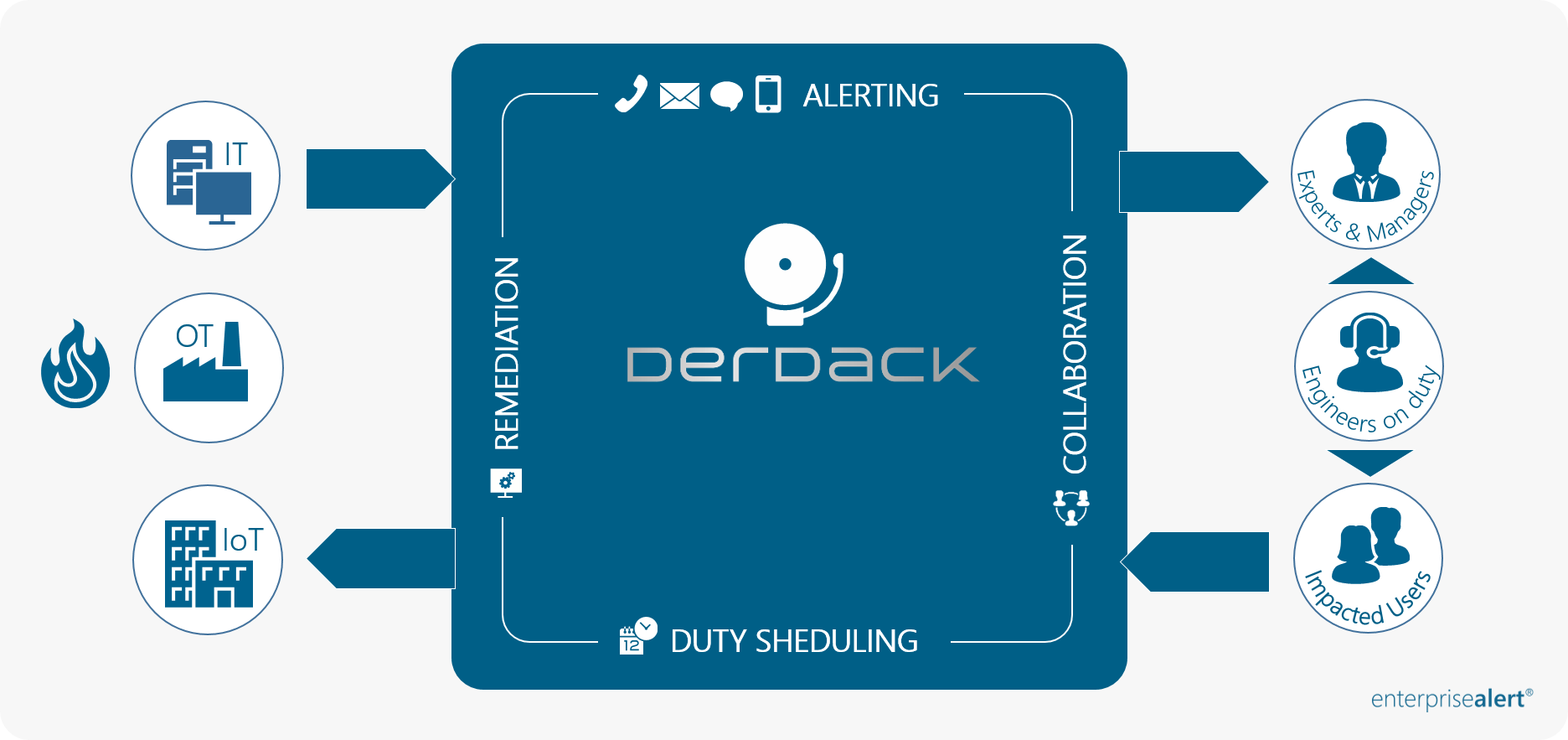
Derdack’s enterprise alerting software automates alerting processes and enables a fast, reliable and effective response to incidents threatening the continuity of services and operations. This is in particular important for 24/7 operated mission-critical systems and IT.
Our critical alerting software combines four pillars to effectively respond to incidents – automated alert notifications, convenient duty scheduling, ad-hoc collaboration and anywhere incident remediation.
“… reduces the level of stress and worry from being away from a PC.”

Janssen Jones
/
“Enterprise Alert eliminates the ‘human factor’, i.e. any human latency, in critical alerting. It is unmatched when it comes to automation and deep-level integration.”

David Young
“Enterprise Alert delivers the right information to the right people at the right time and in the most convenient and effective way. It has become a foundational part of our services toolbox.”

Ernest Pedersen
Alert Notifications
Never miss a critical Alert
Enterprise Alert provides automated, and persistent alert notifications by voice, text, push, E-Mail and IM. It tracks the delivery of notifications, acknowledgements and replies and reacts automatically on non-delivery or non-reply by utilizing escalation chains, on-call schedules and presence information.
Oncall Scheduling
Always know who's on call
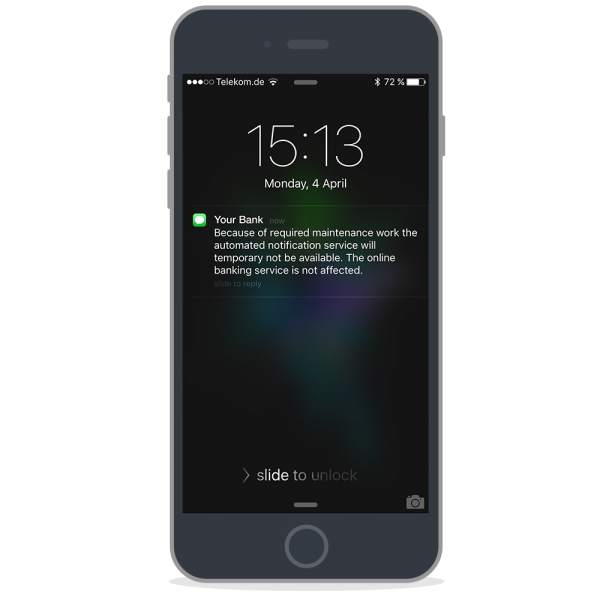
Enterprise Alert enables convenient scheduling of on-call duties by drag & drop in any browser. Based on scheduling information it can then alert the right engineers at the right time. Backup engineers and stand-ins are also available.
Collaboration
Anywhere ChatOps, incident sharing and conferencing
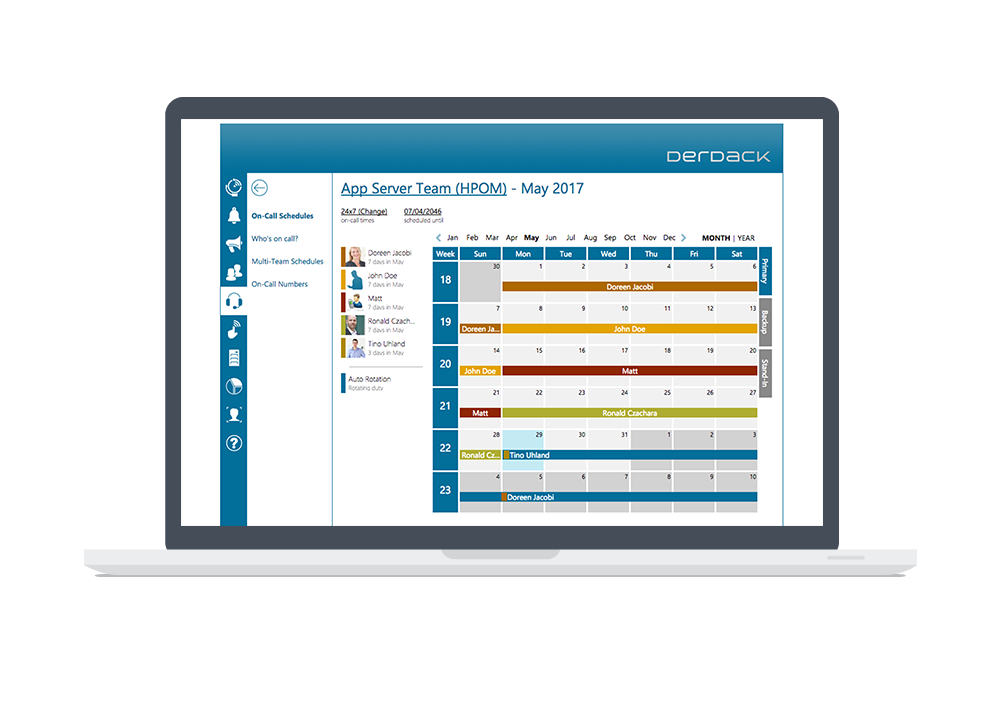
IT service staff or engineers who are alerted often need to communicate with managers, on-call staff of other teams or subject-matter experts. Derdack’s Enterprise Notification Software provides the perfect toolset for a real-time, anywhere collaboration experience.
Anywhere Remediation
Leave your notebook at home
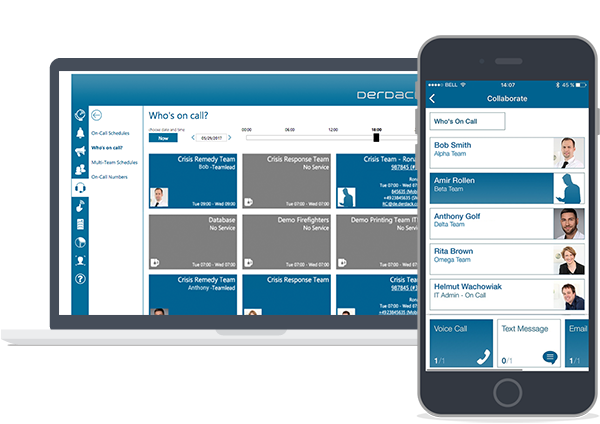
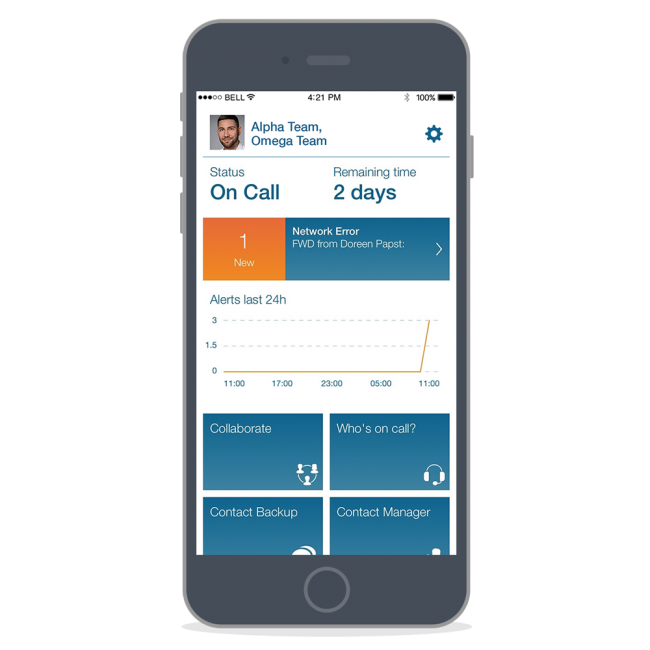
Handling critical incidents shouldn’t stop with acknowledging an alert. With our mobile app you can comfortably manage alerts, troubleshoot problems and even resolve them by triggering parameter-based IT automation tasks.

Mobile App
Anywhere incident management
The Derdack mobile app mobilizes incident management and makes you independent from your monitoring or service desk console.
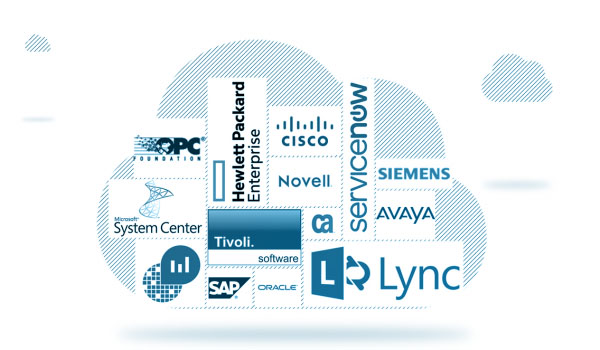
Agentless Integrations with ITOM, ITSM, MES, etc
Enterprise-class
Genuine Enterprise Notification Software
Enterprise Alert has been specifically designed for large and global enterprises and organizations with the highest demands in reliability, productivity, integrations and security. That is why our product is one of the very few, if not the only one, that fully addresses the needs that come with running business-critical operations such as enterprise IT, manufacturing lines, energy & utility creation and distribution.
Trusted by











Enterprise Alert provides:
- On-premise, private and hybrid cloud deployments for highest security and best integration
- Open and deep enterprise system integrations (parallel, multi-system, hub)
- Ability to be highly customizable
- Support for complex and department-spanning enterprise scenarios
- Consolidation of distributed notification solutions (“notification confusion”)
- Highest security incl. SSO, ADFS, SSL, encryption
- Security-audited by large organizations in military, manufacturing, etc.
- Automated user & group management through AD sync
- Role-based access model for all users, custom user roles
- Comprehensive multi-tenancy and GDPR compliance
- Complete audit trailing of all notification messages, responses, etc. using Microsoft SQL Server
- High-availability and elasticity incl. multi-site, node-clustering, failover
- Browser-based configuration and system management (IE, Firefox, Chrome, Safari)
- Short deployment cycles, little user training effort and modern user interface
- Extremly low cost of operations
Operation Models
On Premise
 Operating Enterprise Alert on premise along with your IT infrastructure is the best choice for utmost security, data privacy and seamless integrations. User data is synchronized with the Active Directory which also provides AD & ADFS based security and features like AD-SSO. On premise installation of Enterprise Alert requires a Windows 2012 server or higher and takes about 60 minutes. A free trial version is available.
Hybrid / PaaS
 Derdack Enterprise Alert is on the Microsoft Azure Marketplace and on Amazon Webservices. Derdack’s cloud offering is a PaaS model with you owning the data and operating Enterprise Alert within your existing cloud infrastructure model. Deployment in the Azure or AWS cloud takes about 15 minutes and a free trial is available if you already have an Azure subscription.
Interested in a personal demo? Talk to us.